Community Living in Tiny Homes: A Growing Trend
- Authors
- Published on
- Published on
The Rise of Community Living in Tiny Homes
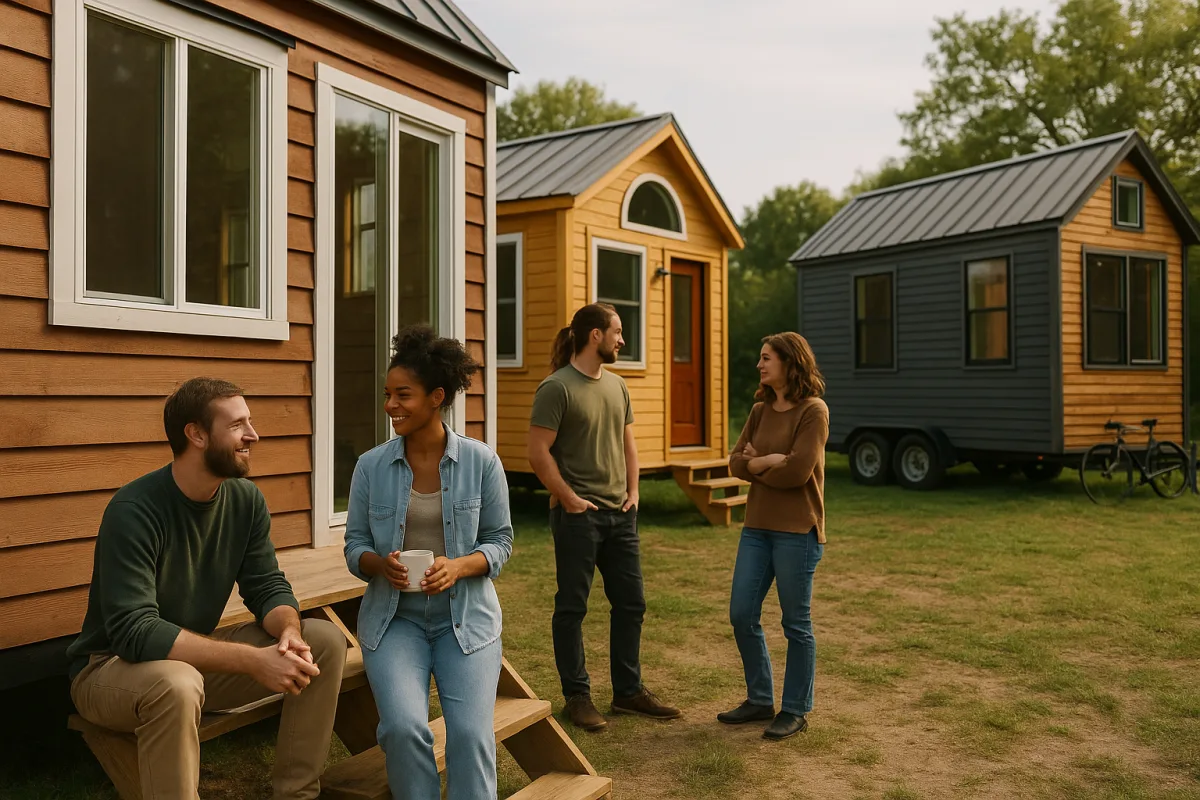
In recent years, there has been a noticeable shift toward community living in tiny homes, a trend that has gained traction as more individuals and families seek alternative lifestyles. This movement is not just a passing fad; it reflects a fundamental change in how people think about housing and community. Various sources corroborate the emergence of tiny home communities, revealing a growing interest in shared living spaces that prioritize sustainability, cooperation, and a sense of belonging.
Evidence of a Genuine Trend
Across the board, numerous independent sources highlight the rising popularity of tiny home communities. For instance, a tiny home community named Tiny Timbers, as showcased by Tiny House Giant Journey, exemplifies a successful model where residents participate in communal gardening and animal care. The community consists of 16 tiny homes centered around agricultural themes, allowing residents to engage with nature while fostering social ties. This setup demonstrates not only the appeal of downsizing but also the desire for a supportive and collaborative living environment.
In addition, research from publications like New Atlas provides insight into the evolving landscape of mobile living. The rise of electric camper vans from manufacturers like Volkswagen indicates a broader acceptance and demand for compact and sustainable living solutions, further illustrating the shift toward alternative lifestyles. The emergence of these vehicles complements the tiny home movement, as they cater to those seeking mobility without sacrificing comfort.
The Underlying Motivations
So, why are people increasingly drawn to community living in tiny homes now? Several factors contribute to this trend:
Economic Pressures: With rising housing costs and stagnant wages, many individuals are looking for affordable alternatives. Tiny homes often come with lower price tags compared to traditional housing. For example, Tiny Timbers residents pay a monthly lease of approximately $499, in addition to utilities, making it a financially viable option for many.
Environmental Concerns: As awareness of environmental issues grows, more people are gravitating toward sustainable living. Tiny homes typically use fewer resources and are easier to maintain than larger houses. Many tiny home communities incorporate eco-friendly practices, such as rainwater harvesting and solar power, appealing to those who wish to reduce their carbon footprint.
Community Connection: The desire for social interaction has intensified, particularly following the isolation of the pandemic. Tiny home communities facilitate a sense of belonging, as residents often share responsibilities and resources. The experiences shared by residents in Tiny Timbers, who find comfort in having friends just outside their doors, exemplify this need for connection.
Flexibility and Mobility: Many tiny homes are built on wheels, offering residents the freedom to relocate as needed. This flexibility appeals to those who value travel and exploration while still wanting the stability of a community.
Implications for Future Projects
For individuals or families considering a move to a tiny home community, understanding the implications of this trend is crucial. As the movement grows, prospective residents should be mindful of various aspects that can affect their experience:
Financing Challenges: Securing financing for tiny homes can be complicated, as they are often classified as personal property rather than real estate. This classification makes traditional mortgages difficult to obtain. Options such as personal loans, RV loans, and chattel loans are available, but each comes with unique terms and conditions that should be thoroughly researched.
Zoning Regulations: The lack of uniform zoning laws across the United States can pose challenges. While states like California and Oregon have clearer pathways for tiny homes, others may have restrictive regulations. Prospective residents should investigate local laws and regulations to ensure compliance and avoid future complications.
Community Dynamics: Each tiny home community is unique, with its own set of rules, responsibilities, and social dynamics. It's essential to engage with current residents, understand the community culture, and determine whether it aligns with your values and lifestyle.
Cost Variability: While the initial investment in a tiny home may be lower than a traditional house, ongoing costs can vary significantly based on location, amenities, and community services. Monthly expenses for utilities and lot rent can range from $300 to $600, which is an important consideration during the budgeting process.
Conclusion
The trend of community living in tiny homes is more than a passing phase; it represents a significant shift in how people approach housing and community. As individuals increasingly prioritize economic, environmental, and social factors, tiny home communities offer viable solutions to contemporary challenges. However, those considering such a lifestyle must navigate complexities related to financing, zoning, and community dynamics to ensure a successful transition.
As this movement continues to grow, it will be interesting to see how it shapes the future of housing and community living. The adaptability and resilience of tiny home communities may serve as a template for sustainable living in an increasingly complex world, providing inspiration for future generations seeking a simpler, more connected way of life.
Frequently Asked Questions
What are the benefits of community living in tiny homes?
Community living in tiny homes offers several benefits, including economic affordability, environmental sustainability, and enhanced social connections. Residents often share resources and responsibilities, fostering a sense of belonging and cooperation, which can be particularly comforting in the wake of social isolation experienced during the pandemic.
How do tiny home communities promote sustainability?
Tiny home communities promote sustainability through their smaller living spaces, which typically consume fewer resources and are easier to maintain than traditional homes. Many communities incorporate eco-friendly practices, such as rainwater harvesting and solar power, appealing to residents who wish to minimize their environmental impact.
What challenges do residents face in tiny house communities?
Residents of tiny house communities often encounter challenges related to zoning regulations and financing. The lack of uniform zoning laws can create legal hurdles, while financing options may be limited due to the classification of tiny homes as personal property rather than real estate, complicating access to traditional mortgages.
Sources
This Tiny Home "Agrihood" is making everyone move to the country — Tiny House Giant Journey
Next-gen VW camper van series will be unlike anything it's made before — New Atlas
Polaris injects pneumatic shifting into expedition-grade side-by-side — New Atlas
Your own personal poison-snooper as a wearable skin patch — New Atlas
1,600-hp CCGT1 is Koenigsegg's most performant track weapon ever — New Atlas
Insane 940-foot Chinese cliff elevator dramatically cuts school commute — New Atlas
'World's lightest' tent dives below 2 lb, still handles 100-km/h wind — New Atlas
Extra-wide tiny house makes more space for family living — New Atlas
Diesel-electric revival tech builds more capable HD semi trucks — New Atlas
Can You Finance a Tiny Home? Loan Options Explained - LegalClarity
Tiny Home Financing 2026: How to Get a Mortgage for a Tiny House
Tiny House Zoning Laws: Where Tiny Homes Are Legal | Zonloty
Tiny House Legal States 2026: Where Tiny Homes Are Allowed & Restricted - tinyhousel.com
Are Tiny Homes Legal in New Jersey? Zoning Rules - LegalClarity
Tiny Homes In San Diego Face Big Hurdles | KPBS Public Media
How to Start a Tiny House Community: Planning, Zoning, Costs & Design - tinyhousel.com
Tiny Houses for Homeless Projects Fail Under Neighborhood Opposition
Hidden Costs of Living in a Tiny House Community (2026 Guide) - tinyhousel.com
Tiny Home Communities Atlanta 2026 — Where to Actually Live | PERCH
Off Grid Tiny House Innovations Expected in 2026 - tinyhousel.com
Watch Community Living in Tiny Homes on Youtube
Related Articles
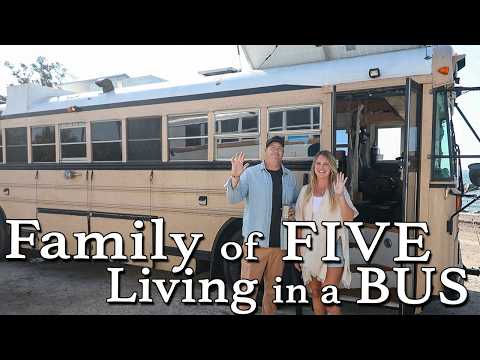
Nomadic Bus Conversion Journey: From Shoe Area to Solar Panels
Join Tiny House Giant Journey as Jonathan and Terrence share their $35,000 bus conversion journey. From a shoe area to a full-size kitchen, solar panels, and a mural, follow their nomadic adventures on the road.
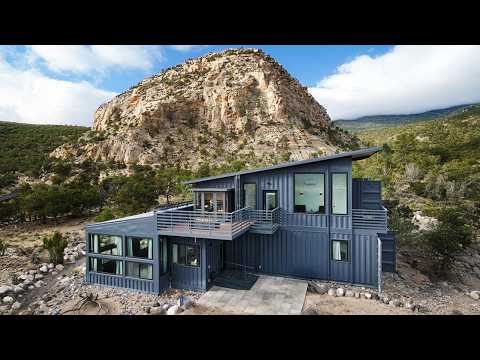
Innovative Container Homes in Dream Mountain Utah
Discover the innovative container homes by Tiny House Giant Journey in Dream Mountain Utah near Capitol Reef National Park. Cleverly using three 40ft containers to create the illusion of nine, these homes blend industrial charm with cozy comfort, offering unique features like steel window frames, shiplap siding, and a 1,000 sq ft outdoor deck with stunning mountain views.

Tiny House Giant Journey: Affordable Living and DIY Charm in Raven's Heaven
Follow Ava's journey in Raven's Heaven by Tiny House Giant Journey. From skeptic to enthusiast, discover affordable living in a cozy, mobile tiny home with clever DIY solutions and personalized touches. Experience the charm of seasonal decor, functional kitchen tweaks, and a surprisingly spacious bathroom in this transformative tale of tiny living.

Seth and Maddie's $35k School Bus Tiny Home Transformation
Join Seth and Maddie on Tiny House Giant Journey as they convert a school bus into a $35,000 tiny home on wheels, featuring hidden TV, unique shower, and efficient design. Explore their debt-free, community-driven lifestyle in this inspiring transformation story.